What many municipalities need,
none has to plan alone.
Plan, procure and finance together: cheaper, with less effort and with capital that would be out of reach on your own.
What municipalities procure every year.
Each on its own.
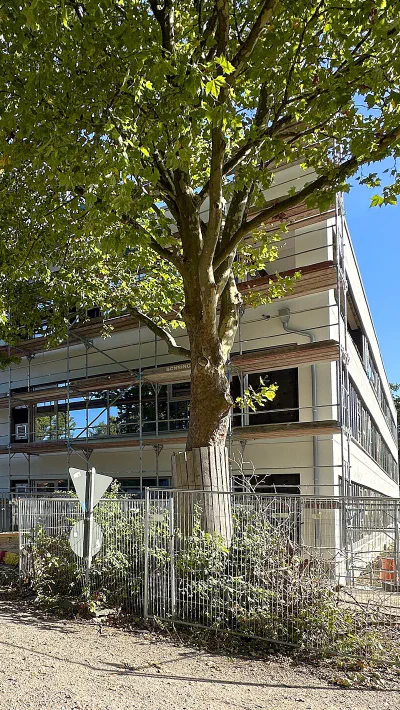
Primary school. 150 to 200 new builds a year.
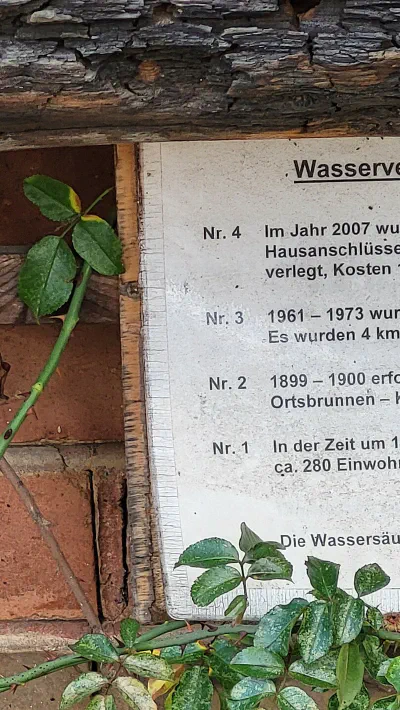
Water pipe. Around 12,000 sections a year.
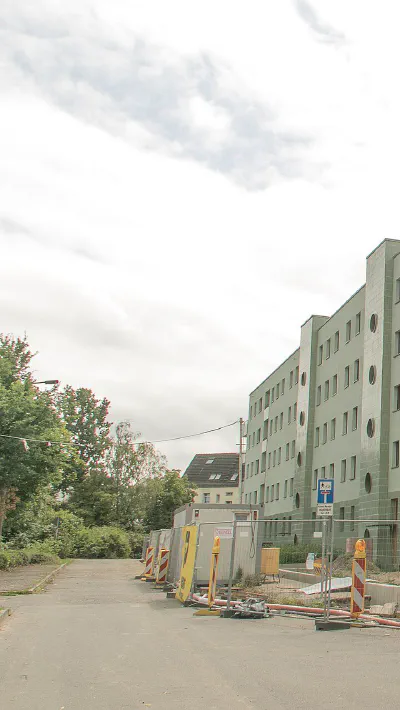
Social housing. Around 600 projects a year.
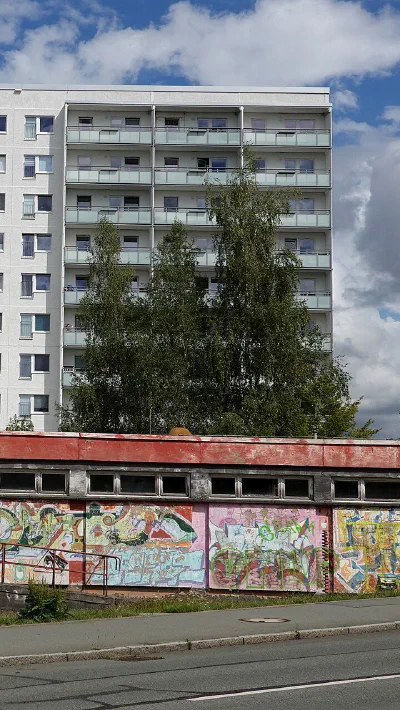
Public buildings. Around 3,700 retrofits a year.
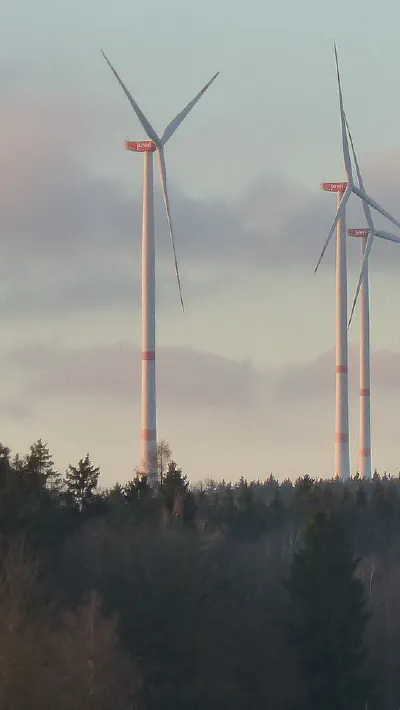
Wind farm. Around 100 projects a year.
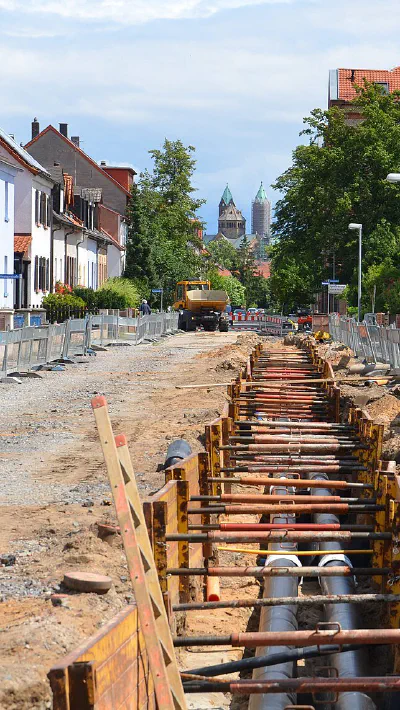
Heat network. Around 165 projects a year.
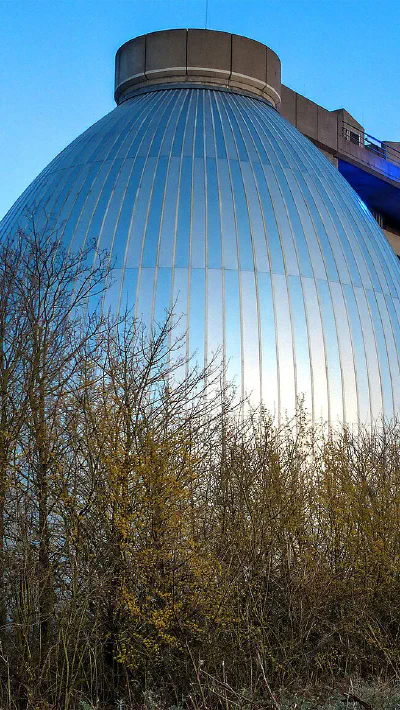
Sewage sludge. Around 60 plants a year.
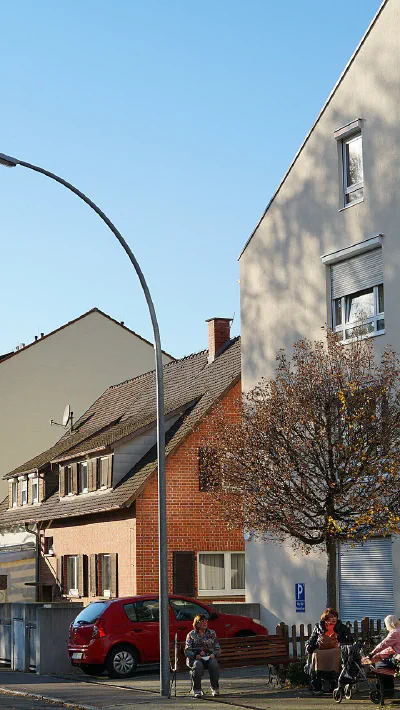
Senior housing. Around 330 projects a year.
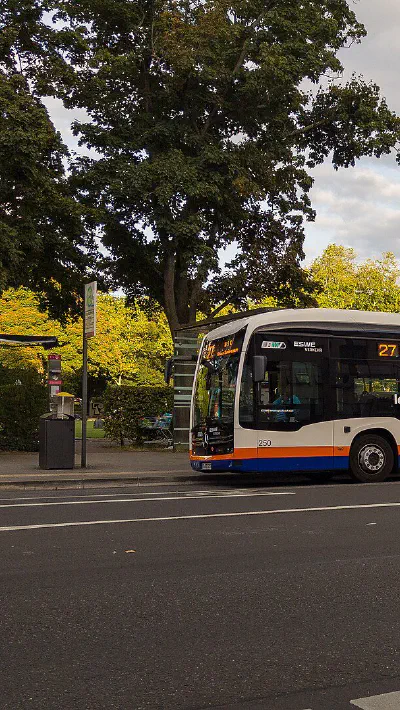
City bus. Around 100 procurements a year.
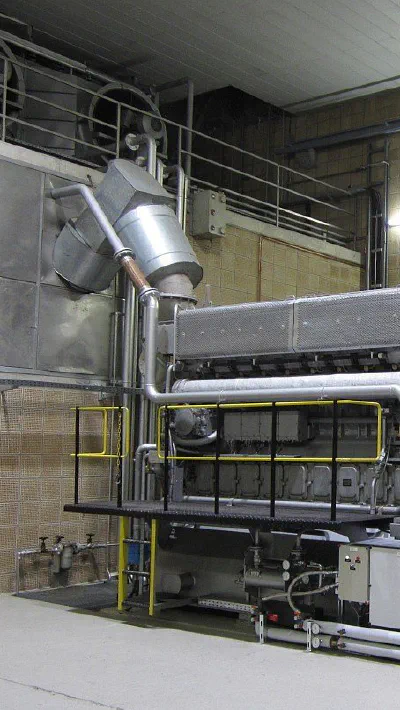
Critical infrastructure. Around 5,400 projects a year.
You know this.
Each one plans alone.
The people are missing.
The money is not enough.
Together instead of alone.
Far less effort
Lower costs
Financing included
How we start.
- 1
Tell us what you are planning · 2 minutes, no obligation
You tell us your planned projects and whether you are interested in procuring together with other municipalities and exchanging experience. We bring you together with municipalities planning the same. - 2
Standards workshop · with other municipalities
You sit down with municipalities that are planning the same right now and with providers who align their solutions to it. Together you describe what the solution must do. From that we develop a standard that fits as many municipalities as possible and leads to savings on the provider side that are passed on to the municipalities. - 3
Procure instead of reinvent · joint framework agreement
The municipalities jointly tender a framework agreement under the standard. From it you call off what your municipality needs, with a finished financing concept and without a procurement procedure of your own. Whether you take part is your decision right up to the end.
What we are working on.
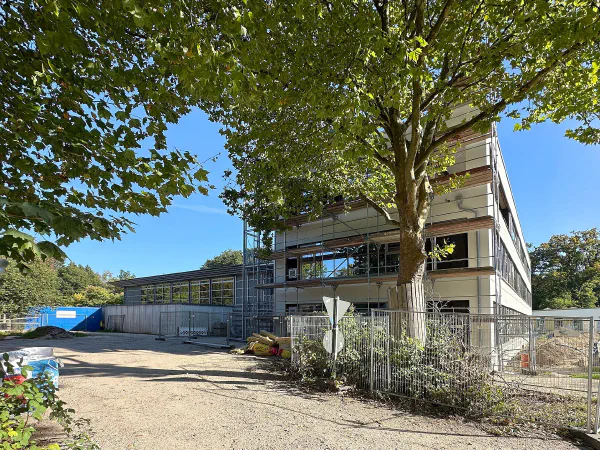
School construction and renovation
150 to 200 a year in Germany.
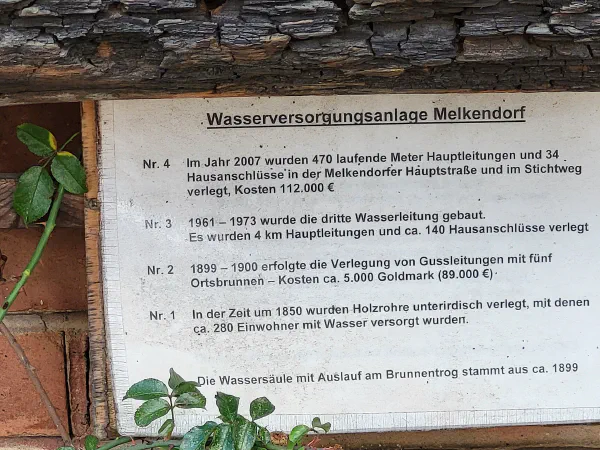
Renewing drinking water networks
around 12,000 a year in Germany.
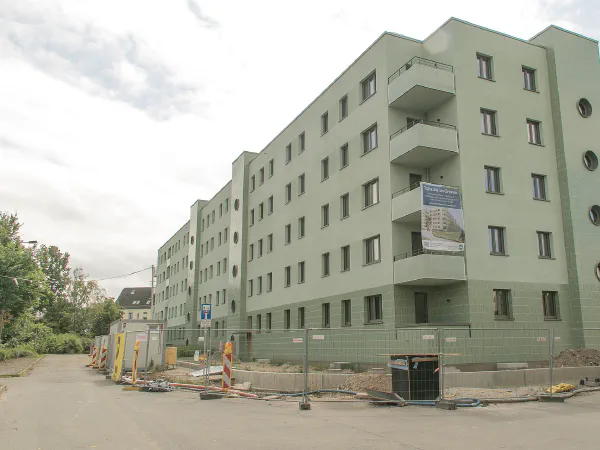
Social housing in series
around 600 a year in Germany.
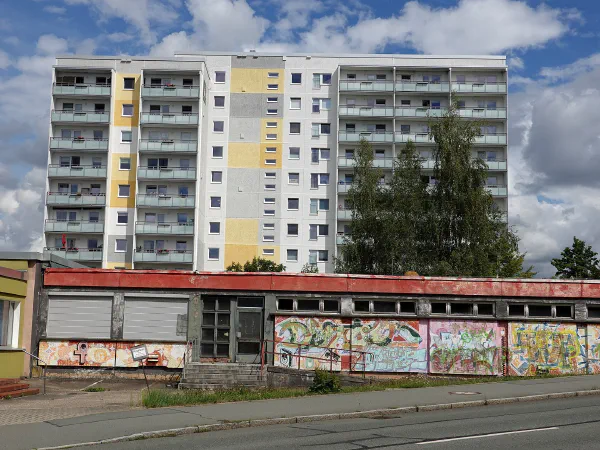
Energy retrofit of public buildings
around 3,700 a year in Germany.
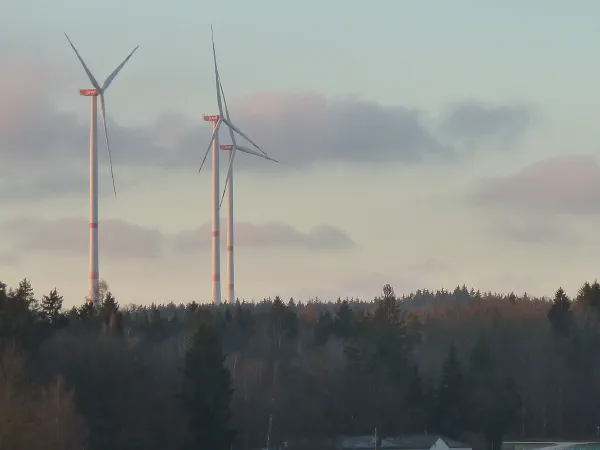
Repowering municipal wind farms
around 100 a year in Germany.
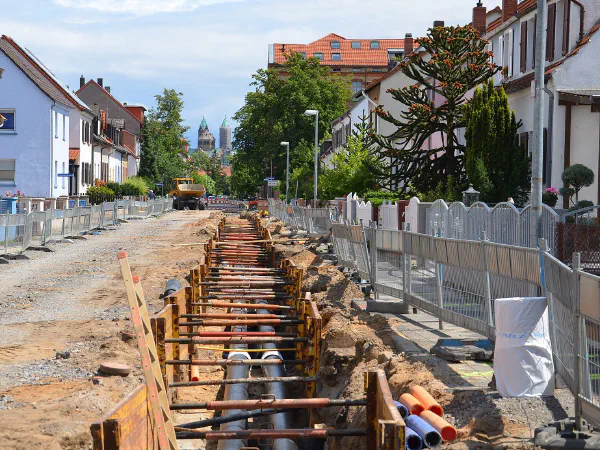
Local heating network
around 165 a year in Germany.
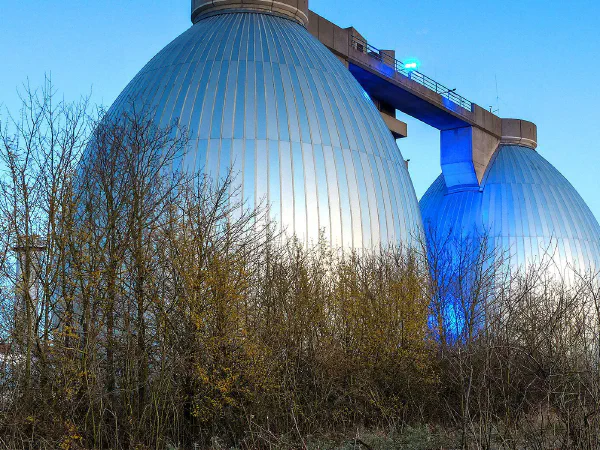
Sewage sludge recovery
around 60 a year in Germany.
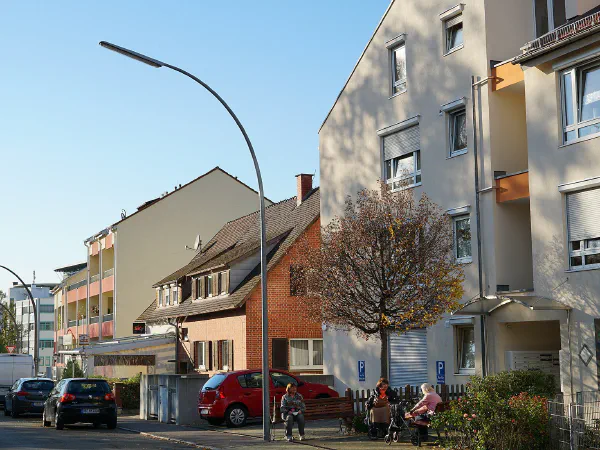
Assisted living for older people
around 330 a year in Germany.
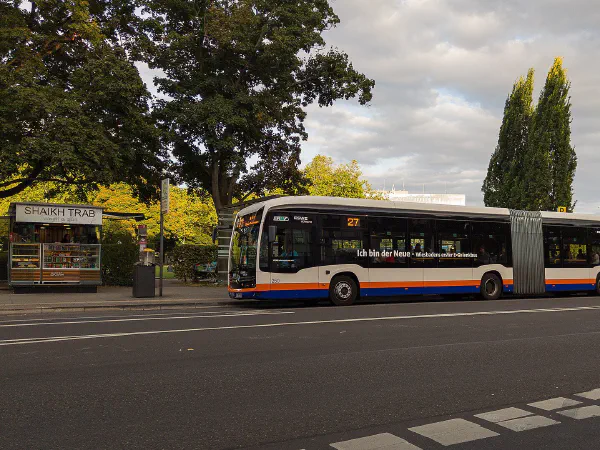
Electric bus fleets
around 100 a year in Germany.
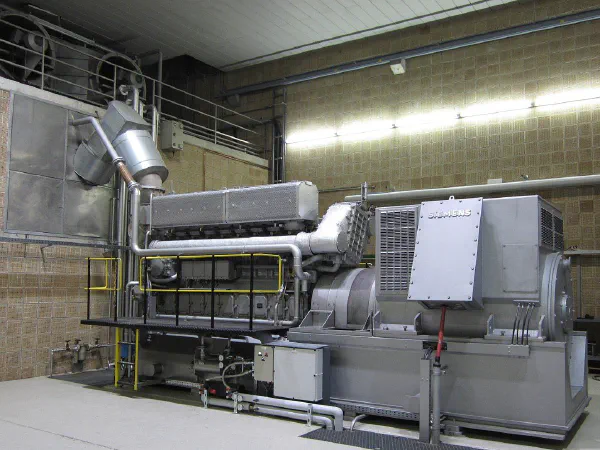
Protecting critical infrastructure
around 5,400 a year in Germany.
Planning something else?
Tell us, and we check whether it can be pooled.
.GUT estimates based on the KfW Municipal Panel, dena, KEA, DGfdB and association statistics. As of September 2026.
Who is behind .GUT.
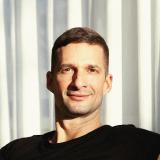
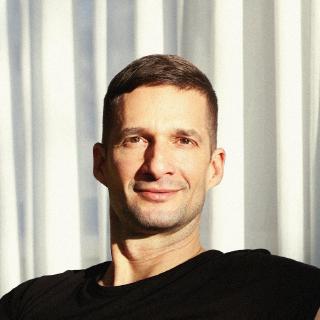 Marc Bernath
Founder, .GUT Future Cities
Marc Bernath
Founder, .GUT Future Cities.GUT is a privately run initiative based in Berlin. We bring together municipalities that plan the same and turn that into shared standards and joint procurement.
.GUT is financed from the savings that standardisation and pooled orders bring on both sides. Participation is free for municipalities. Solution providers pay for the workshop and a share of the orders that result from it.
Frequently asked questions.
What happens to our details?
What does it cost us, and who pays .GUT?
Do we commit to anything?
Is this fine under procurement law?
Aren't our requirements far too specific for this?
How does joint procurement work?
Prefer to talk? 20 minutes, online.
Book a callWhat is your municipality planning?