
Describe once what a solution must do.
Then procure together.
This is where the standards emerge under which municipalities tender jointly. Open, versioned, usable by every municipality.
Each municipality on its own. Every time from scratch.
Sources: Destatis municipal register 06/2026; KfW Municipal Panel 2026.
Many municipalities. One standard. One tender.
That works for any project that many municipalities have at the same time.
More than a list of requirements.
- Solution-neutral All services described in modules, no products prescribed. Ready to configure.
- Tender-ready Legally reviewed, through to call-off. No procedure of your own needed.
- Financeable Grants planned in. Private capital can be activated where it fits.
- Fully planned Every step prepared through to handover. No dead ends.
- Measurable Metrics from day one. Evidence for council and funders.
OpenM3S is the open format that .GUT developed for standardised municipal solutions. Every standard has the same structure, so that any municipality can tender under it and any provider can bid.
Standards that fit every municipality.
How a standard comes about.
- 1
Municipalities report what they plan · Pool
Municipalities name their projects. As soon as enough plan the same, work on the standard begins. - 2
Standards workshop · Standardise
The municipalities describe what the solution must do. Providers say what of it can be delivered and align to it. Result: the standard, in versions up to adoption. - 3
Joint framework agreement · Procure
Municipalities that want to tender jointly under the standard and call off what they need. Providers bid once and deliver to many. The award stays with the municipalities, .GUT supports as a neutral party.
Projects.
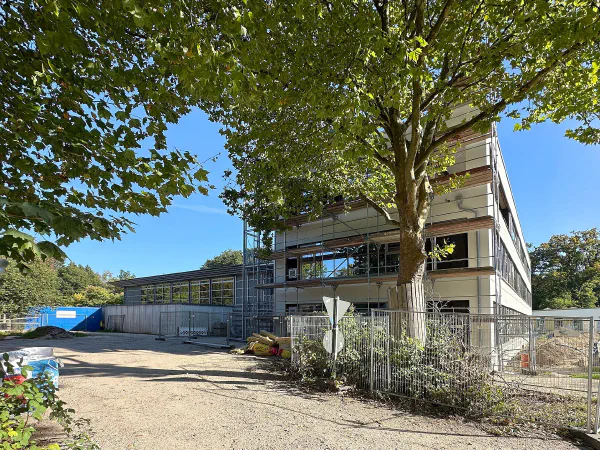
School construction and renovation
150 to 200 a year in Germany.
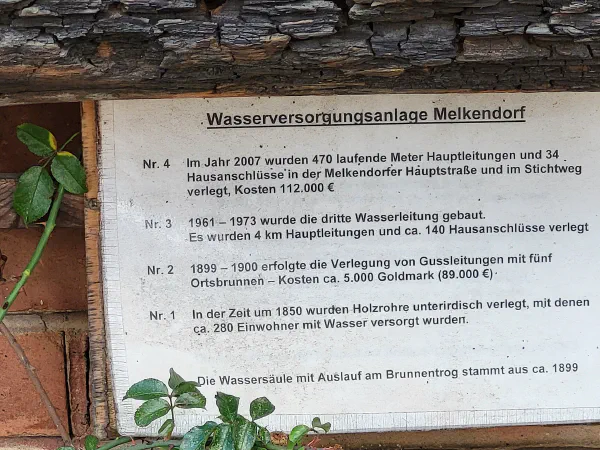
Renewing drinking water networks
around 12,000 a year in Germany.
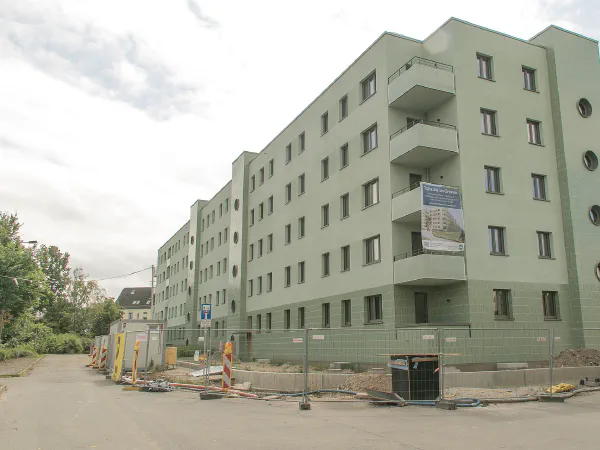
Social housing in series
around 600 a year in Germany.
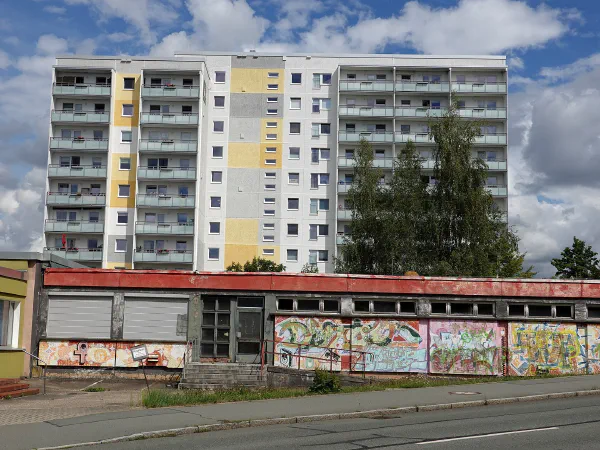
Energy retrofit of public buildings
around 3,700 a year in Germany.
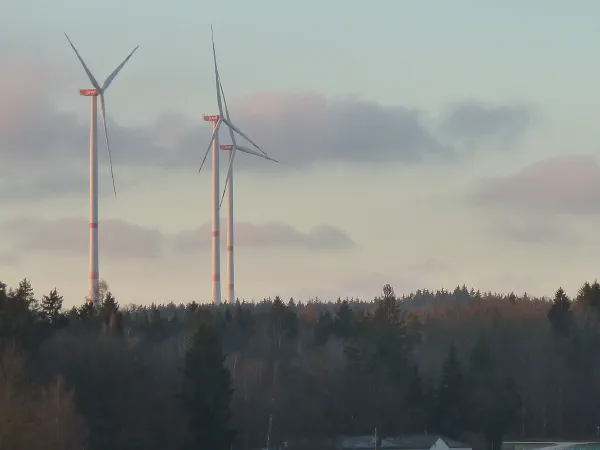
Repowering municipal wind farms
around 100 a year in Germany.
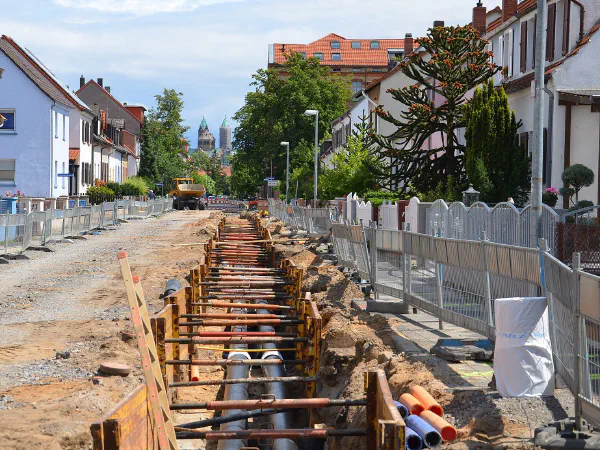
Local heating network
around 165 a year in Germany.
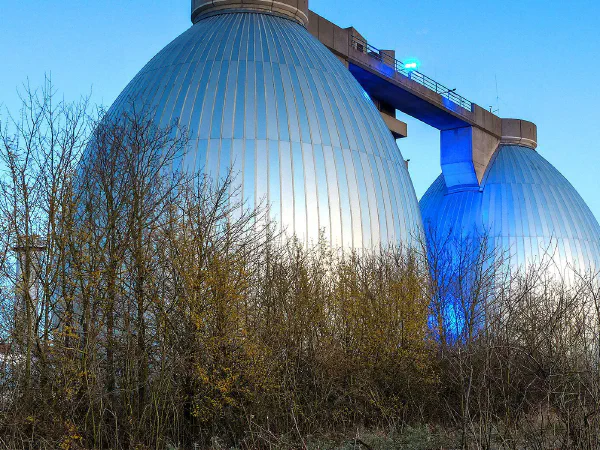
Sewage sludge recovery
around 60 a year in Germany.
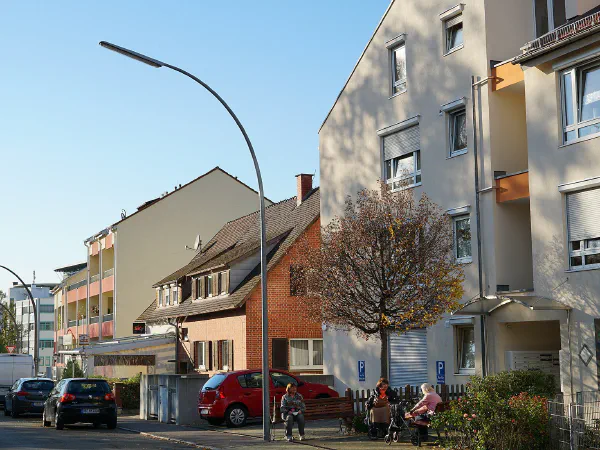
Assisted living for older people
around 330 a year in Germany.
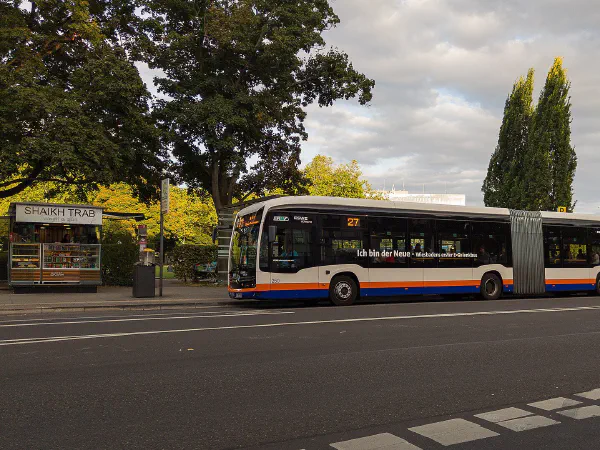
Electric bus fleets
around 100 a year in Germany.
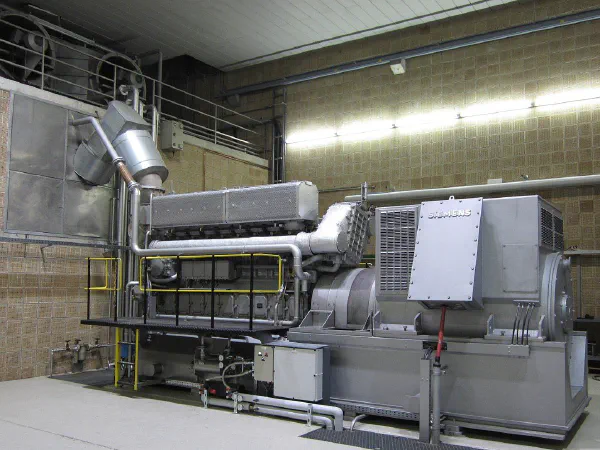
Protecting critical infrastructure
around 5,400 a year in Germany.
Planning something else?
Tell us, and we check whether it can be pooled.
.GUT estimates based on the KfW Municipal Panel, dena, KEA, DGfdB and association statistics. As of September 2026.
Frequently asked questions.
Do I commit to anything if my municipality joins?
What does a standard cost us?
May we adopt a standard directly into our tender?
Who is the contracting authority for the joint framework agreement?
Providers sit at the table in the workshop. Is that a problem for procurement?
Does our solution have to match the standard exactly?
Is there always only one standard per project?
Who owns a standard?
Questions about this area? 20 minutes, online.
Book a call